Parking lot striping plays an important role in safety, traffic organization, and overall property appearance. However, weather conditions can significantly impact the quality and durability of pavement markings.
Therefore, understanding the best time of year for parking lot striping in Utah helps businesses protect their investment and maintain highly visible pavement markings.
Additionally, proper striping improves traffic flow, enhances curb appeal, and helps businesses maintain ADA-compliant accessible parking spaces.
Because of this, many commercial property owners schedule routine striping services during favorable weather conditions.
In this guide, we’ll explain the best seasons for parking lot striping in Utah, how weather affects striping performance, and why timing matters for long-lasting pavement markings.
Why Weather Matters for Parking Lot Striping
Weather directly affects how striping paint adheres to asphalt surfaces. Therefore, temperature, moisture, and sunlight all play important roles in pavement marking durability.
For example, parking lot striping paint typically performs best when:
- Pavement temperatures remain warm
- Asphalt surfaces stay dry
- Humidity levels remain moderate
- Rain is not expected immediately after application
Additionally, cold temperatures can slow paint curing and reduce adhesion.
Likewise, excessive moisture may prevent paint from bonding properly to the asphalt surface.
Because Utah experiences major seasonal weather changes, businesses should carefully plan parking lot striping projects throughout the year. Businesses can also review our article about how Utah weather affects asphalt surfaces to better understand long-term pavement wear.
Spring: One of the Best Times for Parking Lot Striping in Utah
Spring is often one of the best seasons for parking lot striping Utah projects. As temperatures begin warming up, striping paint cures more effectively and produces cleaner, longer-lasting results.
Additionally, spring striping helps businesses repair parking lot markings damaged by snowplows, road salt, and winter weather.

Benefits of spring striping include:
- Improved paint adhesion
- Better visibility after winter
- Safer traffic organization
- Fresh curb appeal for customers
- Easier scheduling before peak summer demand
Furthermore, many businesses prepare for increased spring and summer traffic by refreshing faded pavement markings early in the season.
Professional parking lot striping services can help businesses restore highly visible pavement markings after winter wear and tear. Businesses can also learn more about fresh parking lot striping in Utah and how restriping improves curb appeal and safety.
Summer Provides Ideal Striping Conditions
Summer often provides the most consistent conditions for parking lot striping in Utah. Warm temperatures and dry weather help striping paint cure quickly and evenly.

Additionally, longer daylight hours allow contractors to complete larger projects more efficiently.
Benefits of summer striping include:
- Faster paint drying times
- Strong paint adhesion
- Lower risk of rain delays
- Improved scheduling flexibility
- Long-lasting pavement markings
However, extremely high pavement temperatures may occasionally affect application timing. Therefore, many striping contractors schedule projects during cooler morning or evening hours during peak summer heat.
Because summer is a busy season for commercial maintenance projects, businesses should schedule striping services early whenever possible.
The Asphalt Institute also provides additional pavement maintenance resources related to asphalt performance and weather conditions.
Fall Is Another Excellent Time for Striping
Fall also provides excellent conditions for parking lot striping Utah projects. In many cases, moderate temperatures and lower humidity create ideal painting conditions.
Additionally, businesses often schedule restriping before winter weather arrives.
Benefits of fall striping include:
- Comfortable application temperatures
- Reduced UV exposure
- Improved parking lot visibility before winter
- Better preparation for snow season
Furthermore, fresh pavement markings help drivers navigate parking lots more safely during darker fall and winter conditions.
Many property owners also combine striping services with parking lot maintenance and asphalt repairs before winter weather creates additional pavement damage.
Winter Is Usually the Worst Time for Parking Lot Striping
Winter usually creates the most challenging conditions for parking lot striping in Utah. Cold temperatures, snow, ice, and moisture can prevent paint from curing properly.
Additionally, snowplows and freezing temperatures can quickly damage newly applied pavement markings.
Common winter striping challenges include:
- Slow paint curing
- Poor paint adhesion
- Moisture contamination
- Snow and ice interference
- Reduced visibility during application
Because of these conditions, most striping contractors avoid major parking lot striping projects during winter whenever possible.
However, some emergency restriping projects may still take place during short periods of mild weather.
Businesses dealing with severe winter pavement wear can also review our guide on Utah weather asphalt damage to better understand seasonal pavement deterioration.
How Often Should Parking Lots Be Restriped?
Most commercial parking lots should be restriped every 1–3 years depending on:
- Traffic volume
- UV exposure
- Snow removal activity
- Weather conditions
- Asphalt condition
Additionally, heavily used parking lots may require more frequent restriping to maintain visibility and organization.
If pavement markings become difficult to see, businesses should schedule restriping as soon as possible. Otherwise, faded lines may reduce safety, create confusion, and negatively impact customer experience.
Routine striping also helps businesses maintain ADA-compliant parking areas and clearly marked fire lanes. Businesses can also learn more about parking lot restriping in Utah and when restriping may become necessary.
Why Professional Striping Matters
Professional striping contractors understand how weather conditions affect parking lot striping performance. Therefore, experienced contractors carefully monitor temperature, moisture, and pavement conditions before applying paint.
Professional striping services provide:
- Accurate parking lot layouts
- High-visibility pavement markings
- Durable paint application
- ADA-compliant striping
- Efficient project scheduling
- Long-lasting results
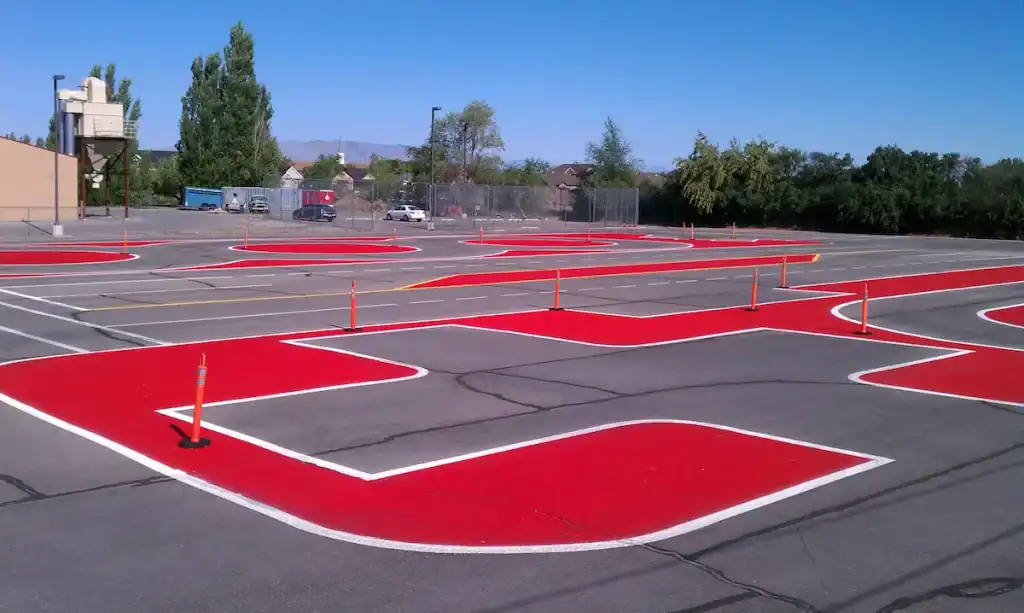
Additionally, many striping contractors follow recommendations from the Federal Highway Administration and the Manual on Uniform Traffic Control Devices (MUTCD) when applying traffic markings and pavement markings.
Working with an experienced Utah striping company helps businesses maintain safer, cleaner, and more professional-looking parking lots throughout the year.
Tips for Scheduling Parking Lot Striping in Utah
Businesses can improve striping results by planning projects strategically.
For best results:
- Schedule projects during dry weather
- Avoid freezing temperatures
- Complete asphalt repairs before striping
- Coordinate striping with sealcoating projects
- Schedule maintenance before markings fade heavily
Additionally, businesses should inspect parking lots regularly for fading lines, damaged markings, and ADA compliance issues.
Consequently, proactive maintenance helps reduce long-term repair costs while improving safety and curb appeal. Businesses preparing for sealcoating projects can also review our article on the best time of year for Utah asphalt sealcoating for additional maintenance planning tips.
Frequently Asked Questions
What is the best season for parking lot striping in Utah?
Spring, summer, and fall typically provide the best weather conditions for parking lot striping in Utah because warmer temperatures help paint cure properly.
Can parking lot striping be done during winter?
In some cases, contractors may complete emergency striping projects during mild winter weather. However, cold temperatures and moisture usually make winter less ideal for striping.
How long does striping paint take to dry?
Drying times vary depending on temperature, humidity, and paint type. However, warm summer conditions generally allow paint to dry faster.
How often should parking lots be restriped?
Most parking lots require restriping every 1–3 years depending on traffic, weather exposure, and pavement wear.
Why does weather affect striping quality?
Temperature and moisture directly impact paint adhesion and curing. Therefore, contractors typically apply striping paint during dry and moderate weather conditions.
Get Professional Parking Lot Striping in Utah
Whether your parking lot needs fresh pavement markings, ADA-compliant accessible parking spaces, or complete restriping services, professional striping helps improve safety, visibility, and curb appeal.
Our team provides:
- Parking lot striping
- ADA striping
- Pavement marking
- Parking lot restriping
- Asphalt maintenance
- Commercial striping services throughout Utah
Additionally, we help businesses across Utah maintain clean, highly visible, and professionally striped parking lots year-round.
Contact our Utah striping team today for a free estimate on parking lot striping Utah services and commercial pavement marking solutions.