Cracks may seem like a minor parking lot problem, but they can allow water to reach the pavement’s lower layers and contribute to more extensive asphalt damage. In June 2026, Eckles Paving completed a crack sealing project at the EOS Fitness parking lot in Orem, Utah.
Our crew cleaned and sealed cracks throughout the parking lot to help prevent water intrusion and slow further pavement deterioration. This preventive maintenance work helped protect the asphalt while allowing the gym to extend the useful life of its existing parking lot.
June also provided a favorable seasonal window for professional asphalt crack sealing because warmer, generally drier conditions help the sealing material bond and cure properly.
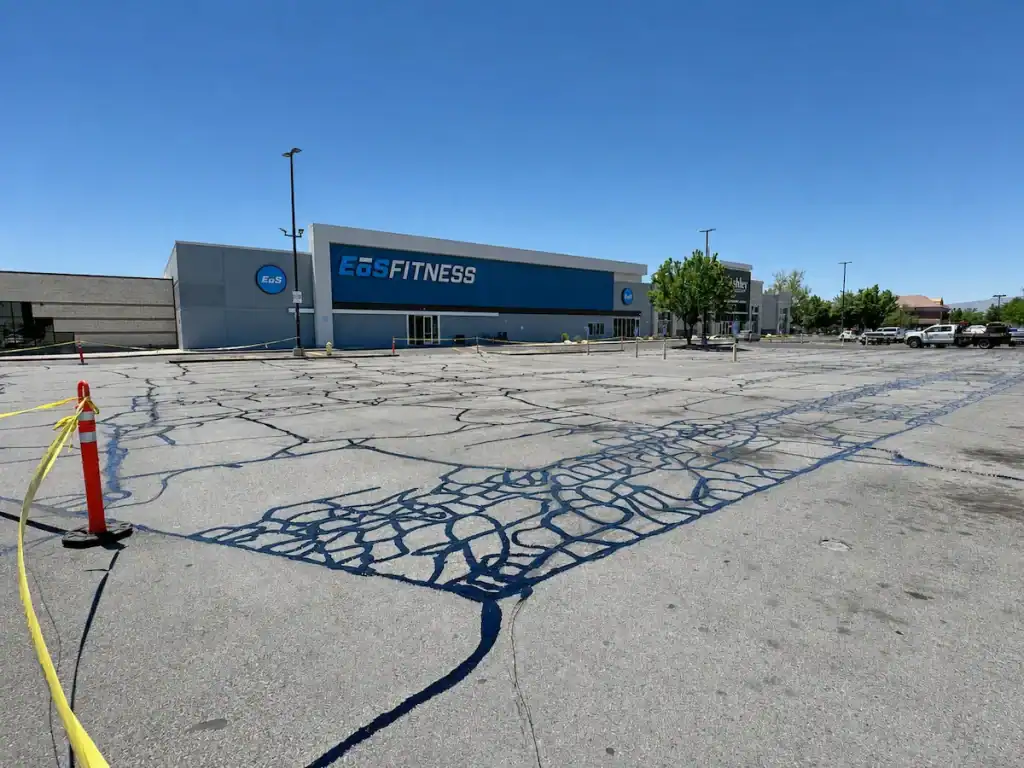
Fresh crack seal helps protect the EOS Fitness parking lot.
Crack Sealing at EOS Fitness in Orem
Fitness centers experience steady vehicle traffic throughout the day. Members arrive early in the morning, after work, during fitness classes, and throughout the weekend. This regular traffic makes preventive parking lot maintenance especially important.
At the EOS Fitness property in Orem, our crew identified and sealed cracks in the existing asphalt. The goal was to address the openings before moisture and seasonal weather could contribute to larger pavement problems.
The project included:
- Inspecting cracks throughout the parking lot
- Cleaning dirt and loose material from the cracks
- Applying flexible crack sealant
- Allowing the material to cool and set
- Coordinating the work to reduce disruption to parking lot traffic
Why Asphalt Cracks Need to Be Sealed
Asphalt naturally expands and contracts as temperatures change. Over time, UV exposure, vehicle traffic, moisture, oxidation, and Utah’s freeze-thaw cycles can cause cracks to form in the pavement.
Once a crack opens, water can enter the pavement and reach the aggregate base underneath. If that moisture freezes, it can expand and place additional pressure on the surrounding pavement. Repeated freeze-thaw cycles may cause cracks to widen and contribute to loose asphalt, potholes, settlement, and base deterioration.
Crack sealing creates a flexible barrier over suitable working cracks. The material is designed to move with the pavement while reducing the amount of water and debris that can enter through the opening.
Sealing cracks early is generally more practical than waiting until the surrounding asphalt requires extensive parking lot asphalt repair.
How Crack Sealing Helps Protect a Parking Lot
Crack sealing is one of the most important preventive asphalt maintenance services for commercial parking lots. It does not make old pavement new again, but it can help slow the progression of damage when completed at the appropriate time.
Professional crack sealing can help:
- Reduce water infiltration through pavement cracks
- Limit debris from collecting inside open cracks
- Slow the widening of suitable cracks
- Protect the pavement’s underlying base
- Reduce the risk of more expensive future repairs
- Extend the useful life of maintainable asphalt
The earlier cracks are addressed, the better the opportunity to protect the surrounding pavement. Waiting until cracks become severely deteriorated may limit the effectiveness of preventive maintenance.
Why Crack Sealing Matters for a Busy Gym Parking Lot
A gym parking lot must accommodate members, employees, deliveries, and service vehicles throughout the day. Constant traffic places additional stress on pavement, particularly near entrances, drive lanes, turning areas, and frequently used parking spaces.
Maintaining the asphalt helps preserve a cleaner and more professional arrival area for gym members. It can also help property managers plan pavement expenses instead of waiting for minor cracks to develop into larger failures.
For an active fitness center like EOS Fitness, crack sealing offers several practical advantages:
- The work can often be completed in planned sections
- Individual areas generally require less closure time than major asphalt replacement
- The existing parking lot can remain in service when the pavement is still structurally maintainable
- Early maintenance can reduce the likelihood of disruptive repairs later
- Sealed cracks create a more maintained appearance across the property
Careful scheduling is still important. Sections may need to remain temporarily closed while cracks are cleaned, sealed, and allowed to set.
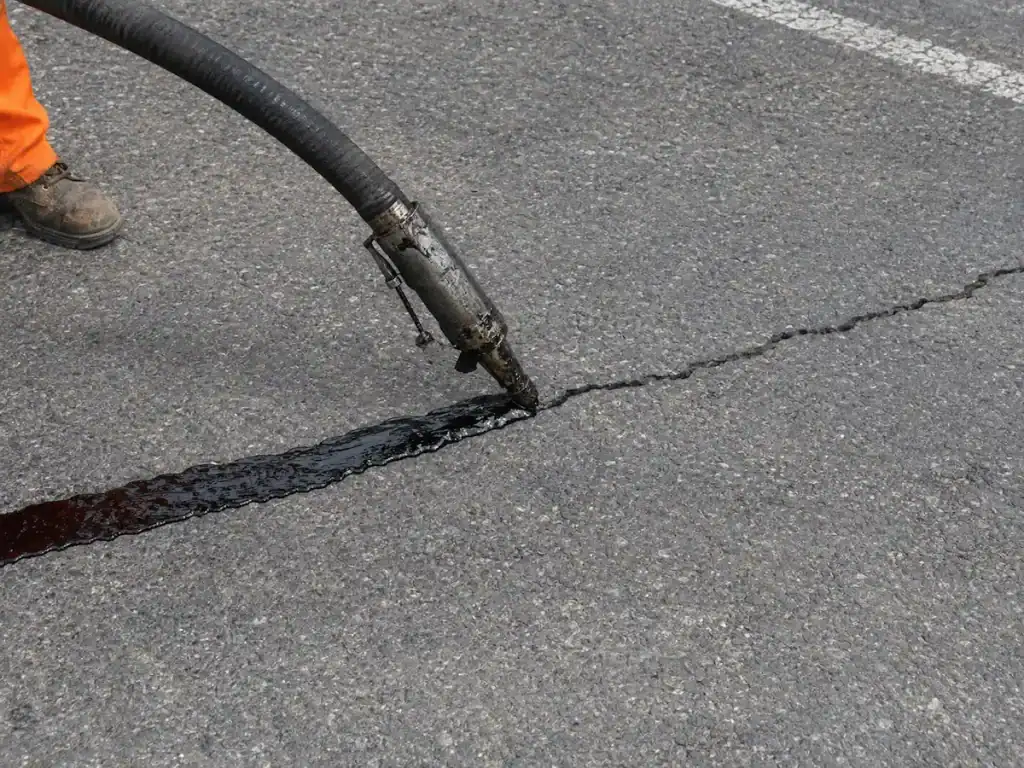
Fresh crack seal is applied along an open pavement crack.
Why June Was a Good Time for Crack Sealing in Orem
June was a favorable time to complete this crack sealing project because warmer pavement temperatures and generally drier weather create better conditions for asphalt maintenance.
Crack sealing products require appropriate surface temperatures and dry pavement to form a strong bond. Moisture, freezing temperatures, or debris inside a crack can interfere with adhesion and reduce the effectiveness of the finished seal.
Completing the work in June offered several seasonal advantages:
- Warmer pavement supported proper material application
- Dry cracks could be cleaned and prepared more effectively
- Longer daylight hours provided a larger working window
- The work was completed before another Utah winter
- Sealed cracks were better protected from future rain, snow, and freeze-thaw cycles
Summer is often a practical time for crack sealing, but the exact schedule should always account for current weather, pavement temperature, material requirements, and the property’s traffic demands.
Preparing Cracks Before Applying Seal
Proper preparation is essential for successful crack sealing. Sealant should not simply be placed over dirt, vegetation, or loose pavement because those materials can prevent it from bonding to the asphalt.
Before applying the crack sealant at EOS Fitness, the cracks had to be cleaned so the material could adhere to the pavement. Depending on the crack and project specifications, preparation may involve removing dirt, dust, vegetation, moisture, and deteriorated material.
Once the cracks were prepared, heated sealant was applied to the appropriate areas. The material filled and covered the openings, creating a flexible barrier against moisture and debris.
What Types of Cracks Can Be Sealed?
Crack sealing works best on appropriate cracks in asphalt that is otherwise in maintainable condition. It is commonly used for working cracks that open and close as the pavement responds to changing temperatures.
Crack sealant is not intended to correct every pavement problem. Areas with widespread alligator cracking, potholes, sinking pavement, severe edge failure, or an unstable base may need patching or removal and replacement instead.
A professional pavement evaluation can help determine whether a parking lot needs:
- Crack sealing
- Asphalt patching or pothole repair
- Asphalt sealcoating
- An asphalt overlay
- Complete pavement replacement
Selecting the correct treatment is important because sealing a crack cannot repair a failed base or restore structural strength to severely deteriorated pavement.
Crack Sealing as Part of a Parking Lot Maintenance Plan
Crack sealing is most effective when included in a broader preventive maintenance plan. Commercial property owners should inspect their parking lots regularly and address developing problems before they spread.
A complete maintenance plan may include:
- Routine pavement inspections
- Crack sealing as new cracks develop
- Localized asphalt patching
- Sealcoating suitable pavement
- Refreshing faded parking lot striping
- Correcting drainage problems
Sealcoating and crack sealing serve different purposes. Crack sealing treats individual pavement openings, while sealcoating places a protective coating across a suitable asphalt surface. Cracks are generally treated before a parking lot is sealcoated.
Property managers can learn more about preventive pavement care in our guide to how often asphalt should be sealcoated in Utah.
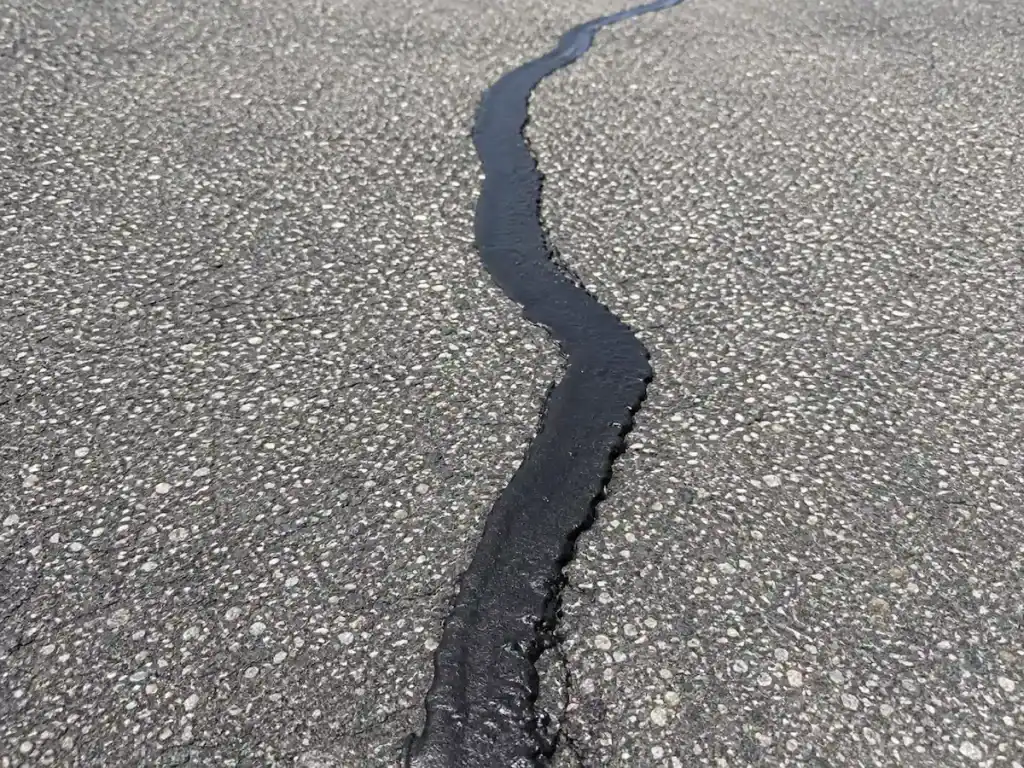
Fresh crack seal creates a flexible barrier.
The Completed EOS Fitness Crack Sealing Project
After the cracks were cleaned and sealed, the EOS Fitness parking lot had added protection against water intrusion and seasonal pavement movement. The finished sealant created visible, flexible lines over the treated cracks throughout the property.
Although crack sealing does not create the completely uniform appearance of new paving or sealcoating, the visible sealant shows that developing cracks have been intentionally treated. This preventive maintenance can help the property avoid more extensive damage and preserve its existing asphalt investment.
Why Choose Eckles Paving?
Eckles Paving has more than 35 years of experience completing asphalt paving and pavement maintenance projects throughout Utah. Our crews work with gyms, retail centers, office buildings, healthcare facilities, schools, HOAs, industrial properties, municipalities, and other commercial properties.
As a licensed and insured Utah asphalt contractor, Eckles Paving provides crack sealing, asphalt repair, sealcoating, parking lot striping, paving, milling, grading, drainage improvements, and concrete services.
Our team understands the importance of coordinating parking lot maintenance around active businesses. Eckles Paving has earned more than 1,300 five-star reviews and maintains a 5.0 Google rating.
Commercial Crack Sealing in Orem and Utah County
Eckles Paving provides commercial crack sealing and asphalt maintenance in Orem and throughout Utah County. Our service area includes Provo, Lindon, Vineyard, Pleasant Grove, American Fork, Lehi, Springville, Mapleton, Spanish Fork, and surrounding communities.
Visit our Utah asphalt service areas page to learn more about the communities served by Eckles Paving.
Frequently Asked Questions
What work did Eckles Paving complete at EOS Fitness?
Eckles Paving crack sealed the EOS Fitness parking lot in Orem, Utah, in June 2026. The work helped protect suitable pavement cracks from water and debris.
Why is crack sealing important in Utah?
Utah pavement experiences intense sunlight, temperature changes, snow, moisture, and repeated freeze-thaw cycles. Sealing cracks helps reduce water intrusion that can contribute to additional asphalt damage.
Why was June a good time for this project?
June typically provides warmer pavement and more favorable drying conditions than colder parts of the year. These conditions help properly prepared crack sealant bond and set before winter weather returns.
Does crack sealing fix potholes or alligator cracking?
No. Potholes, widespread alligator cracking, sinking pavement, and base failure usually require asphalt repair rather than crack sealant alone.
How often should a commercial parking lot be crack sealed?
Parking lots should be inspected regularly and suitable cracks should be sealed as they develop. The required frequency depends on pavement age, traffic, weather exposure, drainage, and existing asphalt condition.
Can a business remain open during crack sealing?
Many projects can be completed in planned sections to preserve access. The exact approach depends on the parking lot layout, traffic level, project size, and required setting time.
Can a parking lot be sealcoated after its cracks are sealed?
Yes, if the surrounding pavement is suitable for sealcoating. Crack sealing is commonly completed before sealcoat is applied across the asphalt surface.
Request a Free Parking Lot Estimate
If your commercial parking lot has open cracks, faded asphalt, potholes, or other signs of deterioration, Eckles Paving can evaluate the pavement and recommend an appropriate maintenance or repair plan.
Request a free estimate from Eckles Paving for crack sealing or commercial parking lot maintenance in Orem or elsewhere in Utah.
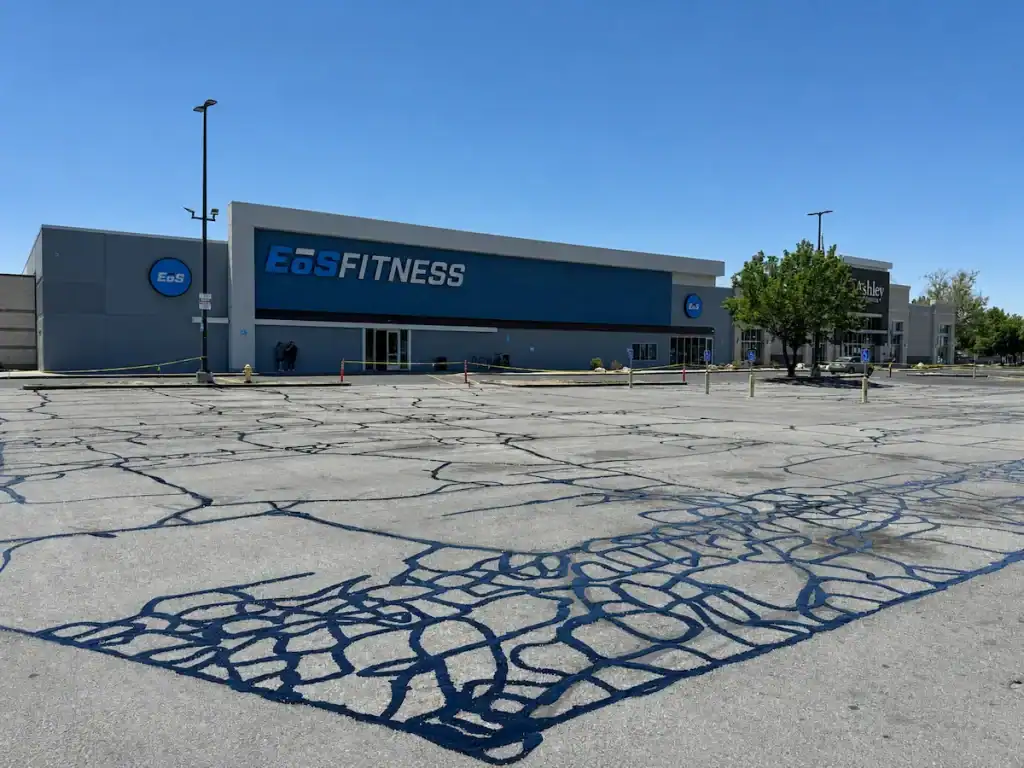
Fresh crack sealant helps protect the EOS Fitness parking lot.